Recognizing the red flags
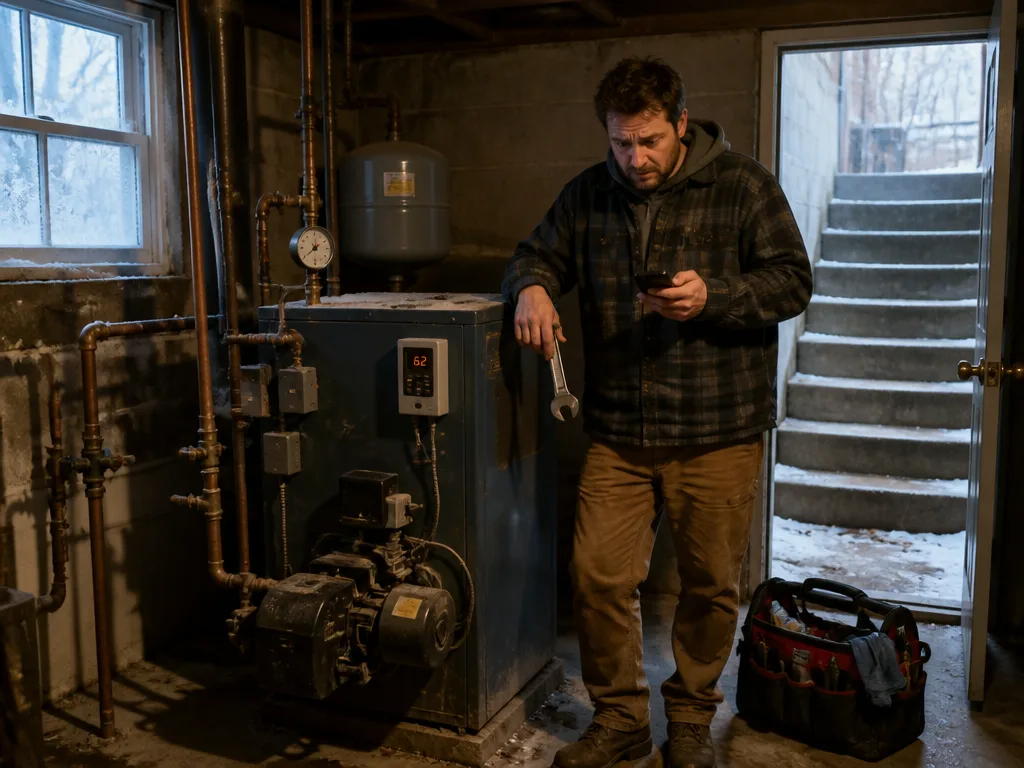
Across Maine, a boiler that isn’t working right doesn’t always shout. You might notice uneven heating, rooms that stay chilly, or an uncharacteristic banging or clanking sound. If your boiler cycles on and off frequently, or if the heat seems weaker than last season, it’s time to pay attention. These signs are common across Maine climates, from cool coastal towns to rural inland homes.
Another telltale sign is higher energy bills without a comparable increase in usage. A stubbornly pushing thermostat that can’t keep a temperature feels off and can signal inefficiency inside the system. If you see system flame colors that look yellow or orange instead of blue, or if you notice soot near the unit, these are warning signs that require professional attention.
What these signs often mean in practice
Many Maine boilers rely on older components that wear out with time. A technician may find issues like a failing circulator pump, sediment buildup, or a heat exchanger start to fail. Each problem affects efficiency and comfort in different ways. A Maine-based HVAC technician can diagnose with a quick inspection, then explain options that fit your home and budget.
Don’t wait for a total breakdown to act. Small issues can escalate into bigger, costlier repairs. Early diagnosis means fewer surprises and more reliable heat during Maine winters.
What to do if you spot the signs
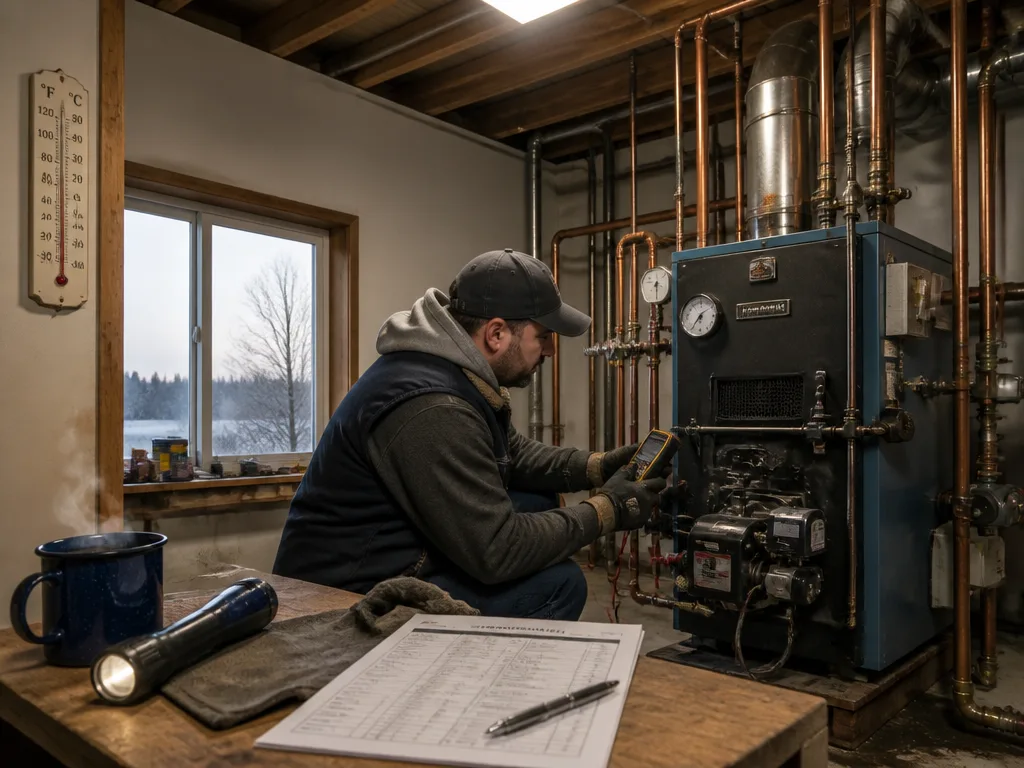
Call a local crew of HVAC technicians who serve Maine statewide. They can perform a safe, thorough inspection, test pressure and combustion, and check safety switches. If parts are worn, they’ll outline whether repair or replacement makes the most sense for your home. Ask for an itemized estimate that covers labor, parts, and any follow-up checks.
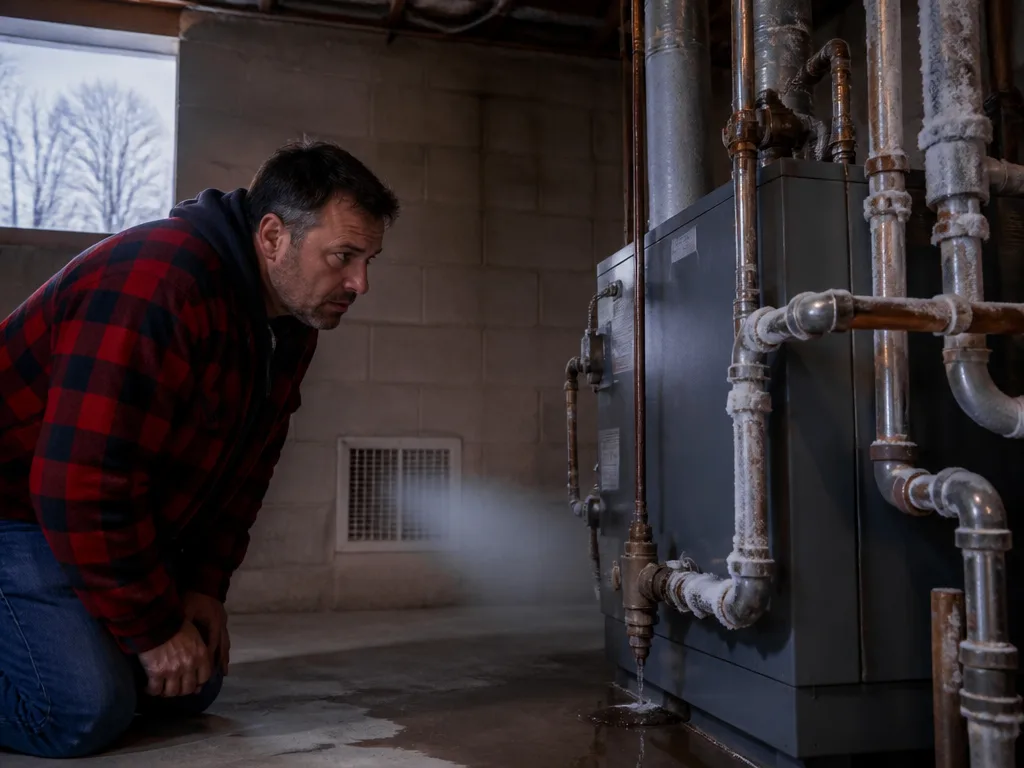
Meanwhile, keep a clear path to the boiler and ensure the area is dry. If you notice leaks or flooding, shut off the boiler and contact service promptly. The goal is to maintain safe, reliable heating across Maine, not to gamble with a system you rely on during cold months.
Quick tips for Maine homeowners
Record any unusual noises, temperature swings, or pilot flame colors. Note when the issue began and whether it correlates with weather changes. Share photos or numbers from any gauges with the HVAC technicians when you call. These details help speed up an accurate diagnosis and keep your outdoor space clear for access.
- Schedule an annual check to catch wear before it escalates.
- Keep the area around the boiler accessible and free of clutter.
- Prepare a list of questions about efficiency, possible upgrades, and maintenance plans.